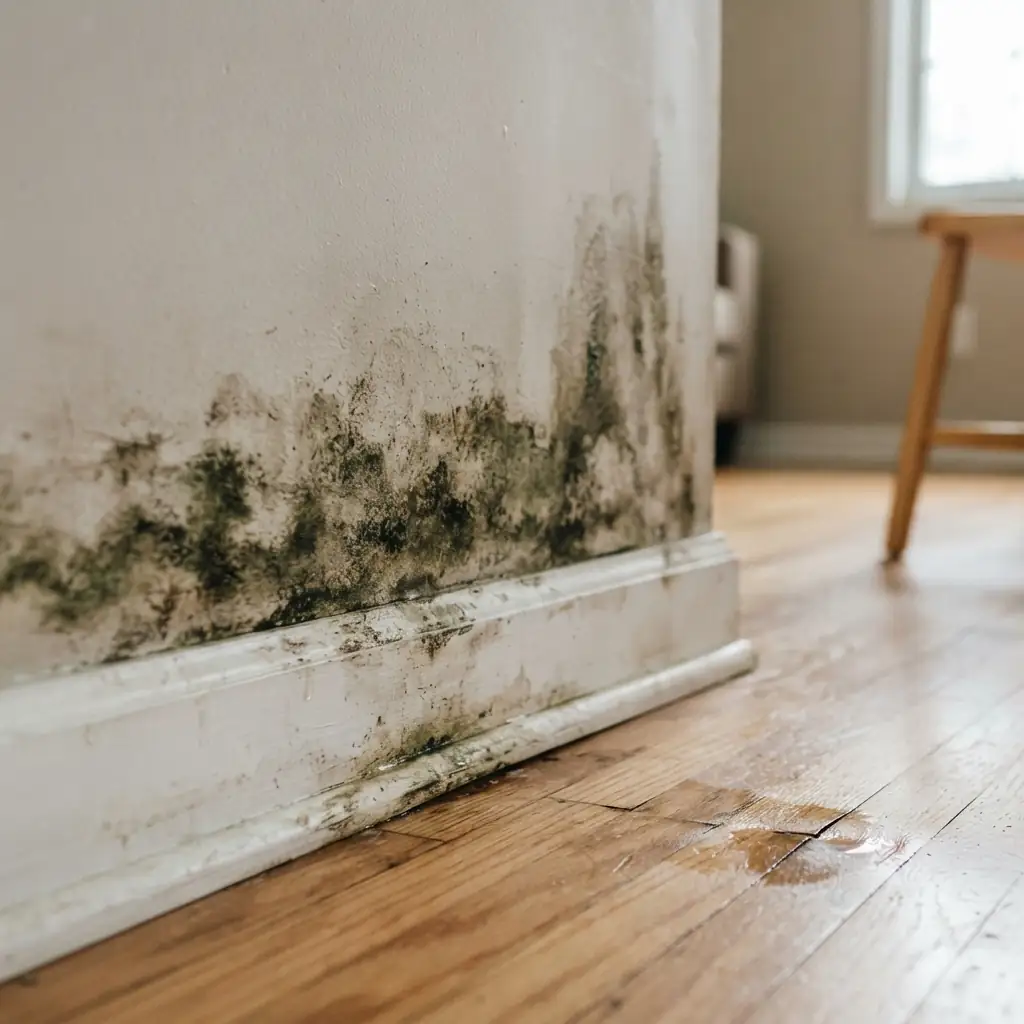
Few phrases worry homeowners in Columbia more than black mold. Dark growth on drywall or a ceiling can look alarming, and online articles rarely help. The practical questions are how big the area is, what material it is on and what kept it wet. We connect you with an independent local provider who can look at the growth, explain the options and plan removal that fits the size of the problem.
Dark Color Does Not Name the Species
Many common molds grow in dark green, gray or black colonies. The one people usually mean by black mold is Stachybotrys, which tends to grow on drywall paper or wood that has stayed wet for a long time. You cannot tell the species by looking, and you do not need to know it to plan the cleanup. What matters is how much is growing and why. If you want an answer about the type, a surface sample sent to a lab can provide it.
Size and Material Set the Method
A small spot on tile or a window frame is often a cleaning job. Growth on drywall, insulation or carpet that covers more than a small patch usually means the material has to come out. In that case the provider seals the area, removes the affected material in bags, HEPA vacuums the framing and dries everything before repairs. The same steps apply whether the growth is black, green or white.
Keeping the Household Safe Meanwhile
Until the work is done, keep the door to the affected room closed if you can and avoid sanding, scraping or dry brushing the growth, which spreads spores. Do not run a fan that blows air from that room into the rest of the house. Anyone with asthma, allergies or a weakened immune system should stay out of the space. If you have health concerns, talk with a doctor.
Next Steps for Black Mold in Columbia
Take a few photos, note the size of the area and think back to any leaks near that spot. Share those details with your request. The provider can tell you whether the growth looks like a cleaning job or a removal job and what the written plan would include. Basing the decision on the size and cause, rather than the color, keeps the cost sensible.